The 1925 Hall of Justice, which is slated for a $127 million renovation has hosted the likes of Marilyn Monroe and Charles Manson. (Photo/Gary Leonard)
For many specialty-equipment brands, the powersports category has always been a natural adventure playground. Motorcycle and other powersports vehicle owners demand performance, utility and even styling, and are rarely satisfied with stock. Moreover, the category represents a huge crossover opportunity for the specialty automotive industry.
“Half of our accessorizer consumers own a powersports or recreational vehicle,” reports SEMA Director of Market Research Gavin Knapp, and their choice of powersports toys can range from ATVs, quads or UTVs to motorcycles or snowmobiles.
There are also a number of encouraging trends currently at work in the marketplace. According to the Q9 PowerSports Blog (q9powersportsusa.com), throughout 2024, we can expect to see an expansion of adventure tourism featuring off-roading bikes, ATVs and UTVs; an increased focus on safety technologies like stability control and anti-lock braking systems (ABS); and a surge in vehicle connectivity features, such as GPS navigation, Bluetooth and integrated apps enhancing vehicle systems monitoring, communications and entertainment. The blog also predicts increased consumer interest in vehicle personalization as well as a growing preference for brands embracing sustainability practices and messaging.
The New Normal
The 1925 Hall of Justice, which is slated for a $127 million renovation has hosted the likes of Marilyn Monroe and Charles Manson. (Photo/Gary Leonard)
Most of all, the overall category is displaying a tough resiliency in the present economy. After a pandemic surge, the market has returned to a relatively normal growth curve mainly sustained by UTV sales, says Greg Boeder, senior partner at Power Products Marketing, a market research firm for OEMs and aftermarket suppliers.
“It’s kind of surprising. When you look at some other markets like boats and campers [in which] a lot of sales were down 10%–15% in 2023,” Boeder explains. “In the end, the utility-vehicle market was actually up, in the range of about 3%. That would include the entirety of the utility vehicle marketPolaris, Can-Am, Honda and Kawasaki, as well as some of the lesser-known brands.”
In fact, says Boeder, the UTV segment has consistently led the market over the past decade, showing stronger performance than on-road motorcycles and straddle-style ATVs.
“It’s kind of been the story of success for powersports. During the pandemic, the UTV supply was just not there, and there was just no inventory for long after the spike. In a certain sense, the market didn’t get as out of control—or on a bubble side—as some other markets. People just kind of put off [purchasing] because there was nothing to buy,” which helped avoid a dramatic drop in the market, he observed.
The 1925 Hall of Justice, which is slated for a $127 million renovation has hosted the likes of Marilyn Monroe and Charles Manson. (Photo/Gary Leonard)
Identifying the UTV bestsellers can be “a bit of a challenge,” he adds. “There are a lot of options and model variations, but the clear leader is the Polaris Ranger 1000 series,” with the Can-Am Defender MAX and the John Deere XUV 835 also topping the list.
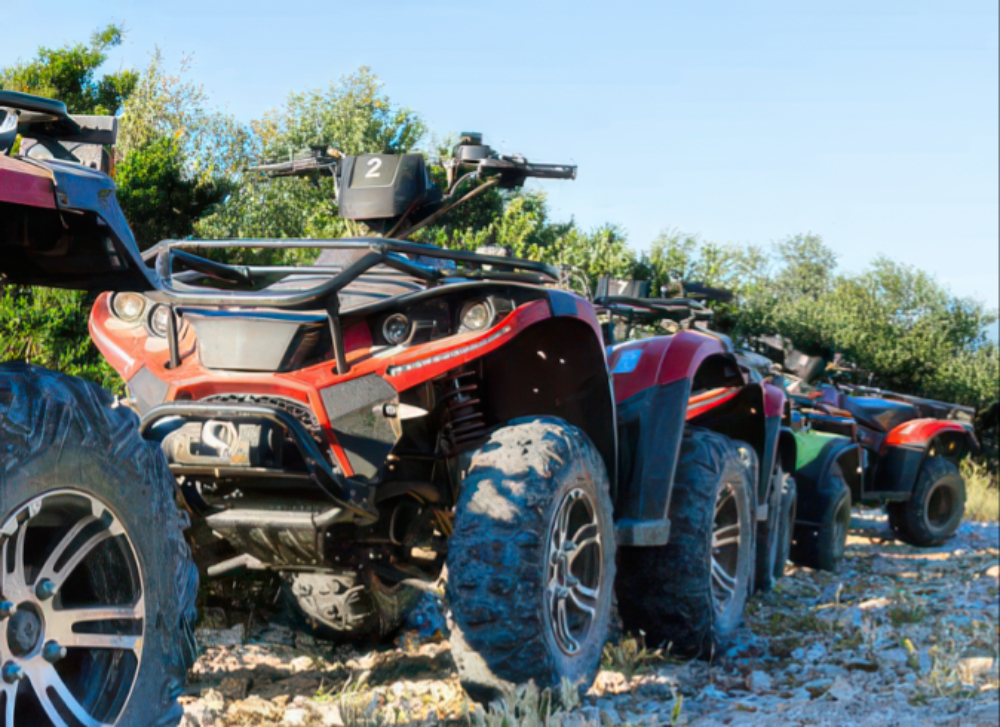
But the UTV’s ascendance brings a mixed blessing to the powersports world. The category’s growth has come at the expense of the ATV segment, whose market share is noticeably waning. According to Boeder, U.S. ATV sales have tumbled to less than 200,000 units for the first time in 30 years, mostly due to the shift toward side-by-sides.
“The big guys—Polaris, Honda, Yamaha, Kawasaki and Suzuki—rode that market for years. Then some entries from Asia [also] came in with kids’ machines that helped keep their domination on that side of the world. But [ATVs are now] less popular options for someone who wants to get out in the woods, drive around on their farms, or what have you. It’s kind of a stagnant market,” Boeder noted.
It’s not hard to guess at the many reasons behind this trend. UTVs are family-friendly vehicles that diminish the need for multiple ATVs, quads or minibikes for the kids. Everyone can experience the thrill of a trail ride together—and even take turns at the wheel. They’re also more comfortable and versatile options for older adults who want to carry sporting or recreational gear across various terrains. What’s more, the vehicles are just plain thrilling to drive, especially when modified for performance.
Gifts To The Aftermarket
The 1925 Hall of Justice, which is slated for a $127 million renovation has hosted the likes of Marilyn Monroe and Charles Manson. (Photo/Gary Leonard)
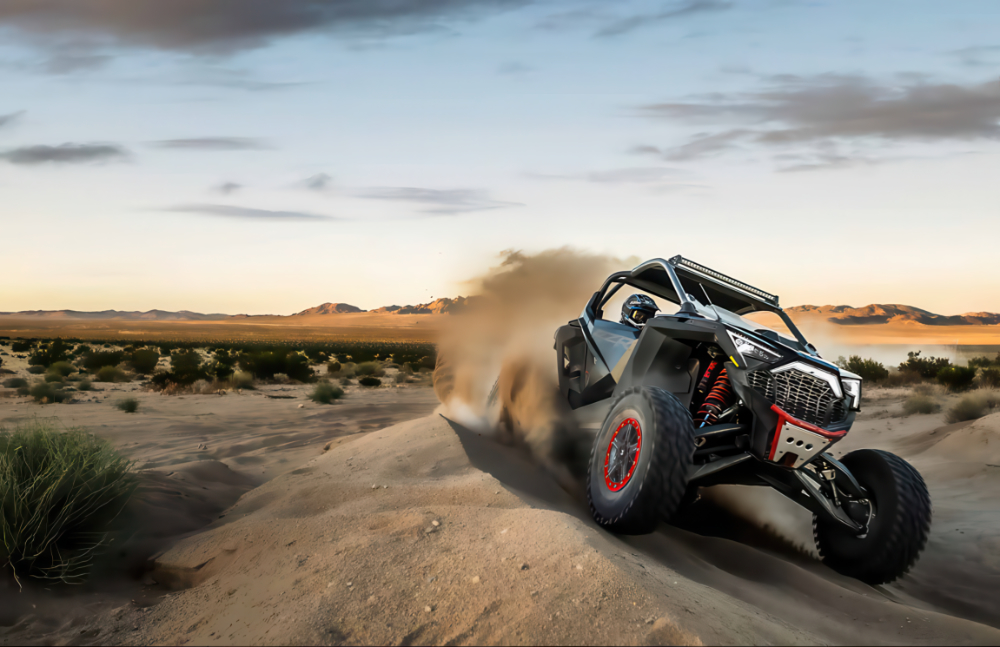
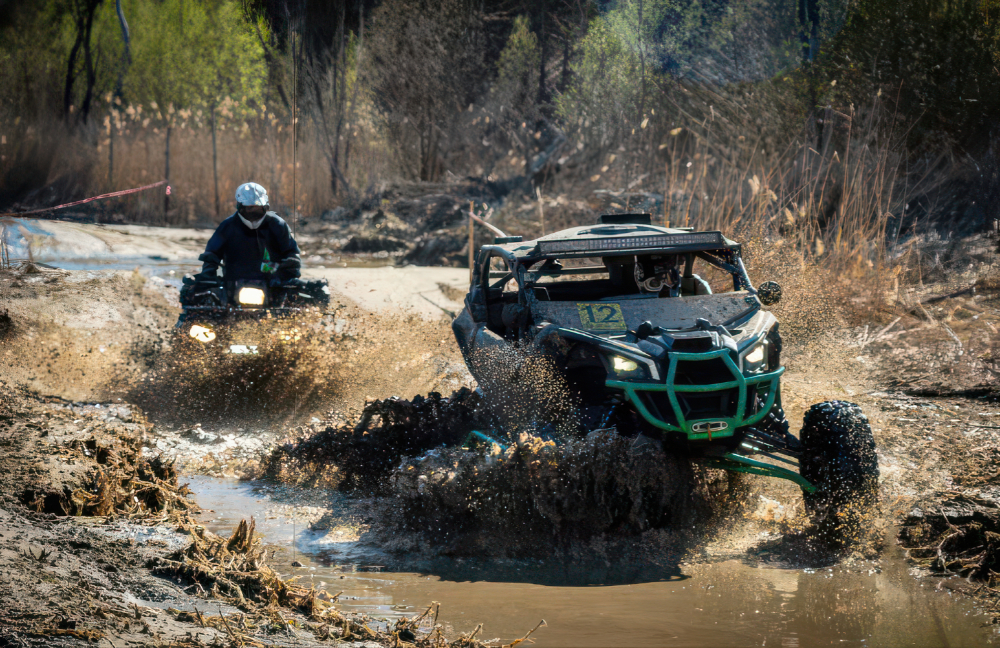
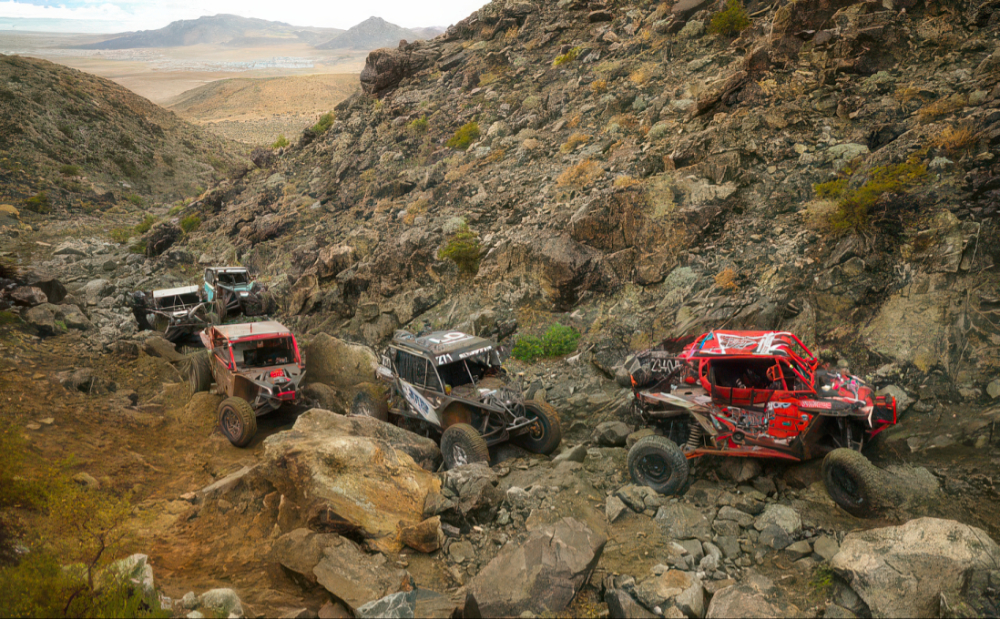
Not surprisingly, the continued success of the UTV category has been particularly good for the aftermarket. Popular upgrades run the gamut: engine and other hard parts; wheels and suspension components; lighting, safety and utility upgrades; and various styling and performance enhancements. Basically, any mod an aftermarket brand can imagine for a car or truck will find a parallel opportunity in the UTV space. The fact that UTV owners usually outfit their rigs for different environments and pastimes—be it desert running, backcountry adventuring or mud bogging—is a special bonus.
Plus, with so many OEMs equipping cars and trucks with high-quality audio and GPS systems right from the factory, mobile-electronics manufacturers have increasingly shifted attention to the UTV market to maintain their margins.
Boeder even points out that, for some consumers, side-by-sides are gaining popularity as cheaper alternatives to purchasing and outfitting fullsize off-road-dedicated trucks. However, an obvious correlation with truck ownership remains. After all, UTV owners need to haul their toys to the great outdoors somehow.
“From an accessories standpoint, the UTV has been a true gift to the worlds of powersports and off-roading,” Boeder emphasizes. “Someone would buy an ATV and maybe put a winch on it, maybe a couple other odd things here and there. Whereas, a person buys a UTV and needs some racks. Then maybe an upgraded suspension. Then some bags and other gear. A lot of times, they go out the door with $2,000, $3,000, $4,000 worth of aftermarket upgrades…and those accessories are all high-margin.”
And that doesn’t even begin to take into account ancillary items like helmets, gloves, riding apparel and other personal or outdoors gear. Peter Tran, who oversees business development at Pleasanton, California-based Bullite Wheels, says his company is finding success in the UTV/ATV wheel market, although the past few years since Bullite’s debut have been an admittedly interesting ride.
“We launched during the pandemic, when a lot of people were getting into outdoor recreational sports, especially off-roading,” he explains. “At first, we saw a lot of e-commerce sales coming in, and then last year we saw a significant slowdown. This year is a weird year. Everyone was overstocked from the pandemic when the freight rates were high, then they dropped the overstock… They’re kind of waiting it out to see whether the economy is going to crash or do better.”
The 1925 Hall of Justice, which is slated for a $127 million renovation has hosted the likes of Marilyn Monroe and Charles Manson. (Photo/Gary Leonard)
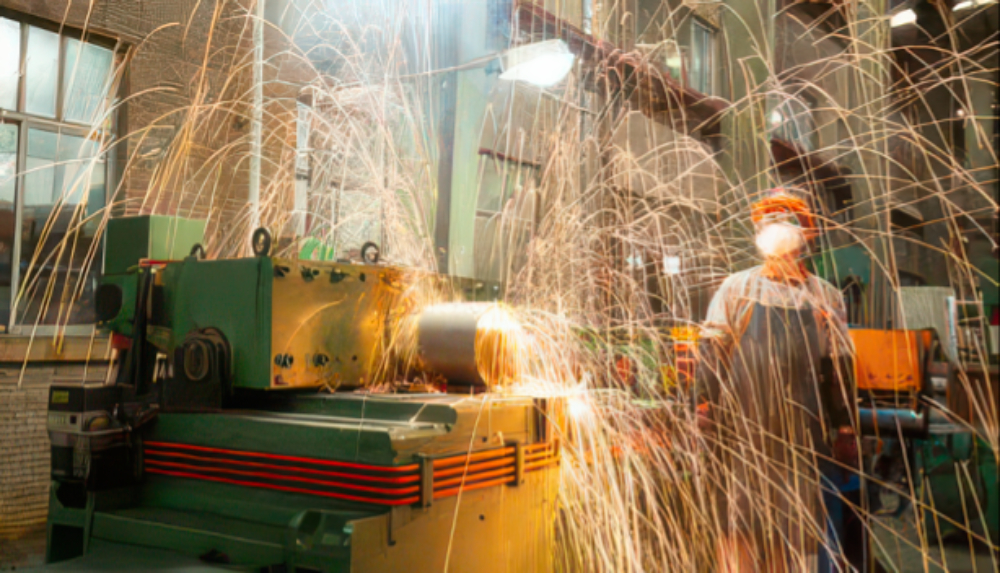
Bullite makes roll-form wheels using a cold-rolled aluminum sheet for the barrel. “We don’t melt any of the metal. That gives us a thinner, stronger material so we get increased tensile strength and a decrease in real weight… Then we either do a cast or a forged disc, and all of that’s all joined together by a friction stir welding, which is an aerospace technology.” According to Tran, the wheels are ideal for the rough environments where powersports vehicles race and play. “For mainstream racing we see a lot more UTVs, but in smaller, local competitions it’s ATVs.”
As for applications, Tran says “Can-Am and Polaris predominate, but we are seeing some of the smaller brands like Yamaha, Kawasaki, Honda, Segway and Kia making a splash in the industry this past year… They’re coming in at a more aggressive price point and are getting better in their builds and technology.”
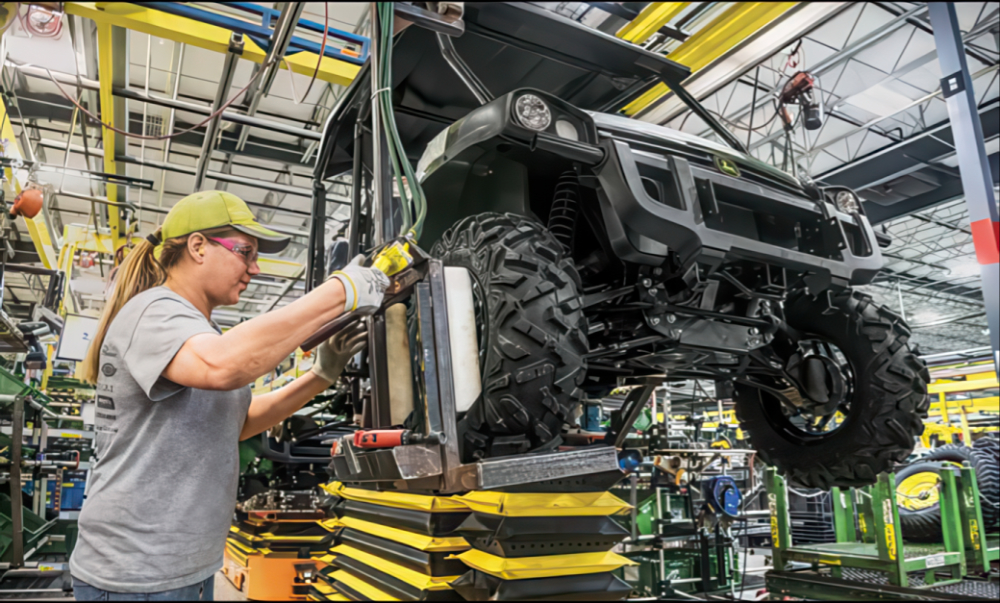
A worker assembles an XUV Gator at the John Deere factory. The company’s XUV models are especially popular with hunters and other sports enthusiasts.
Headquartered in Camarillo, California, FullRiver Battery also does significant business in the powersports segment, which Marketing Director Ian Blomgren characterizes as extremely competitive.
“Powersports needs greatly differ from that of conventional vehicles,” he notes, adding that OEM batteries may be adequate off the assembly line but, “it has been our experience that the majority of owners in the powersports market rarely, if ever, leave their vehicles stock.”
Add lighting, winches, audio, GPS and communications units, and owners can easily overwhelm electrical systems. For major upgrades, FullRiver offers its Full Throttle Series designed to meet starting needs as well as “the necessary amp hours to lean on” for the aftermarket additions that draw significant amps. “The series is also highly resilient and shock-resistant,” Blomgren says.
Blomgren describes powersports consumers as a diverse base with a growing female demographic. But whatever their background, enthusiasts are looking for a purchasing experience that offers elite performance from experienced and knowledgeable brands.
Electrifying The Marketplace
The 1925 Hall of Justice, which is slated for a $127 million renovation has hosted the likes of Marilyn Monroe and Charles Manson. (Photo/Gary Leonard)
Speaking of batteries, various powersports manufacturers have announced bold moves toward electrification of everything from UTVs to motorcycles, but with limited success. Take for example the 2023 introduction of the Polaris RANGER XP Kinetic UTV, which received rave media reviews, followed by the debut of the brand’s Pro XD Full-Size Kinetic model earlier this year.
“The Kinetic made headlines, and other companies have made waves announcing [similar electric] initiatives,” says Boeder. “But in the final analysis, it’s really just not moving the market yet—it’s still at real-low single digits, about 2% to 3% of the market.”
Boeder cites range anxiety and related practicalities like charging as hindrances to consumer take-up. “In the end, you have someone taking out a machine with four-wheel drive in an uncertain environment, meaning it could be cold, sandy, muddy or hilly. Ultimately, that machine that was touted to have a 50–60-mi. range may turn into a 30-mi. thing. And if you’re stranded out there just once you’re going to tell your friends, man, that wasn’t a wise move.”
Consequently, consumer interest in electrics has thus far shifted toward low-speed vehicles (LSVs), a sort of distant-cousin category to UTVs. (Think golf carts and the related small vehicles putting around retirement communities. For a while, gasoline-powered side-by-sides were gaining popularity against such vehicles in those settings, but have now surrendered some market share to the newer, more advanced electric LSV alternatives.)
The 1925 Hall of Justice, which is slated for a $127 million renovation has hosted the likes of Marilyn Monroe and Charles Manson. (Photo/Gary Leonard)
Meanwhile, another more closely related powersports cousin—the e-bicycle—is making suburban and urban inroads, and may well displace motor scooters and even a few street bikes for quick grocery dashes and other short-range trips.
“We think it’s having an impact on the market,” Boeder explains. “You can buy an electric bicycle with some acceptable range. You don’t have to insure it. You can park it on the curb at a bike rack. You can carry it up to your apartment. You can pull out the battery and bring that up to your place to charge. It’s [another] answer to urban mobility.”
Based in La Jolla, California, the recent “e-bike” startup JackRabbit is already making a splash in that emerging market, according to Jason Kenagy, the company’s co-founder and CEO. “You can think of us as an accessory to a car,” he says. “We’re very popular with the overlanding industry and the RV industry…Camping World loves us.” Starting at about $1,000 and weighing just less than 25 lbs., JackRabbits can zip around at roughly 20 mph with a 10-plus-mi. range on a single battery charge. (Batteries are light and hot-swappable, and the company offers a Range Buster option for riders seeking to extend their range.) Because they easily fit into a car, RV or UTV, JackRabbits have become popular with urban and outdoors audiences alike. Race teams are also finding them useful as pit bikes at tracks and courses.
“Supercross teams—Ken Roczen, Justin Barcia, Shane McElrath, all those pros that you’ll see every weekend at the supercross races—they use them,” Kenagy explains. “Moto GP teams have used them as pit bikes, and IndyCar teams have used them.”
In fact, exhibiting in the powersports section at last year’s SEMA Show seemed a natural choice. “We call ourselves a micro e-bike, but actually that name was invented for us by the press. Technically, we are not a bicycle. We don’t have operative pedals; we are ultra-light and have what’s considered to be large wheels,” Kenagy points out.
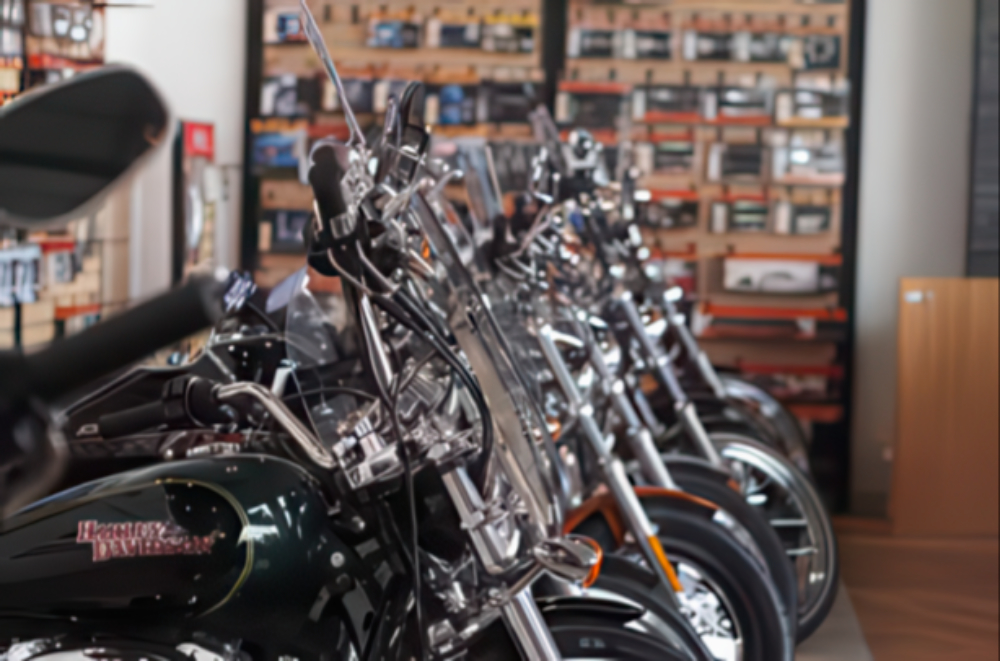
Although the company sells through Specialized bike dealers, it also sells through Harley-Davidson and Indian motorcycle shops. “Our price point is a part of our story [at] powersports shops—it’s kind of like a great add-on.”
Dual-Sports Race Steady
The 1925 Hall of Justice, which is slated for a $127 million renovation has hosted the likes of Marilyn Monroe and Charles Manson. (Photo/Gary Leonard)
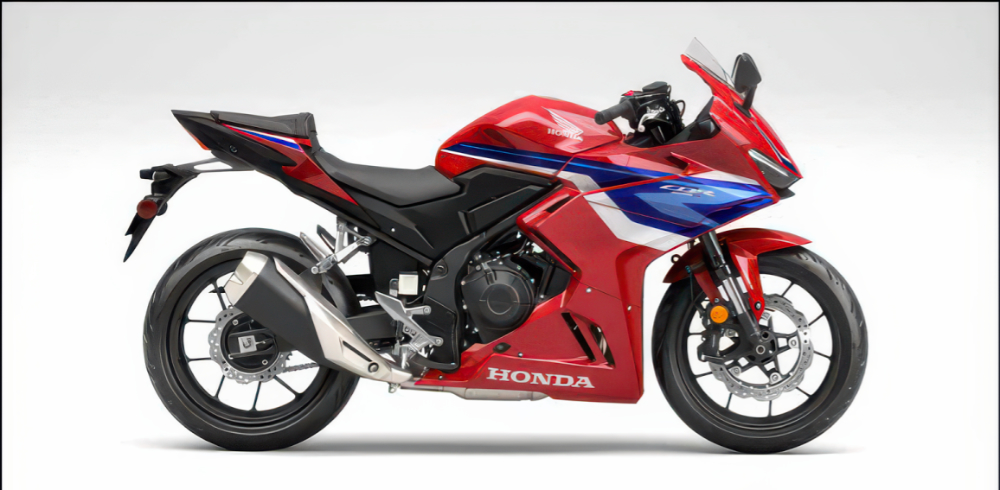
Of course, e-bikes aren’t the first two-wheel conveyances that come to mind when talking powersports. But today’s fullsize motorcycles are also sending mixed signals. According to Boeder, sales of road bikes, cruisers and sport bikes have all been flat or slightly declining over the past few years.
“The dual-sport and off-highway sides have done better,” he explains. “In fact, the dual-sport has really been the one bright spot in the industry. I think people that have decided they want a little bit more than just a daily driver or cruiser. They want to have a little bit of an adventure—or at least they think they’re going to go on an adventure.”
The real problem for the U.S. motorcycle market has been the aging out and associated decline of old-guard Harley-Davidson riders. “The younger [motorcycle] generation isn’t like the older generation, and so far the industry hasn’t been able to figure out a way to get the younger generation into that cruiser market,” Boeder observes.
On the global level, Honda currently dominates the market “as it has in the last 50 years,” according to the industry marketing resource MotorCycles Data. In 2023 alone, the Japanese manufacturer sold 18.4 two-wheel units, a figure up slightly from 2022. India’s Hero MotoCorp placed second with 5.6 million units, followed by Yamaha with 4.6 million. Manufacturers Bajaj Auto, TVS Motor, Yadea (an EV specialist) and Suzuki were also among the top 10 in worldwide sales.
The 1925 Hall of Justice, which is slated for a $127 million renovation has hosted the likes of Marilyn Monroe and Charles Manson. (Photo/Gary Leonard)
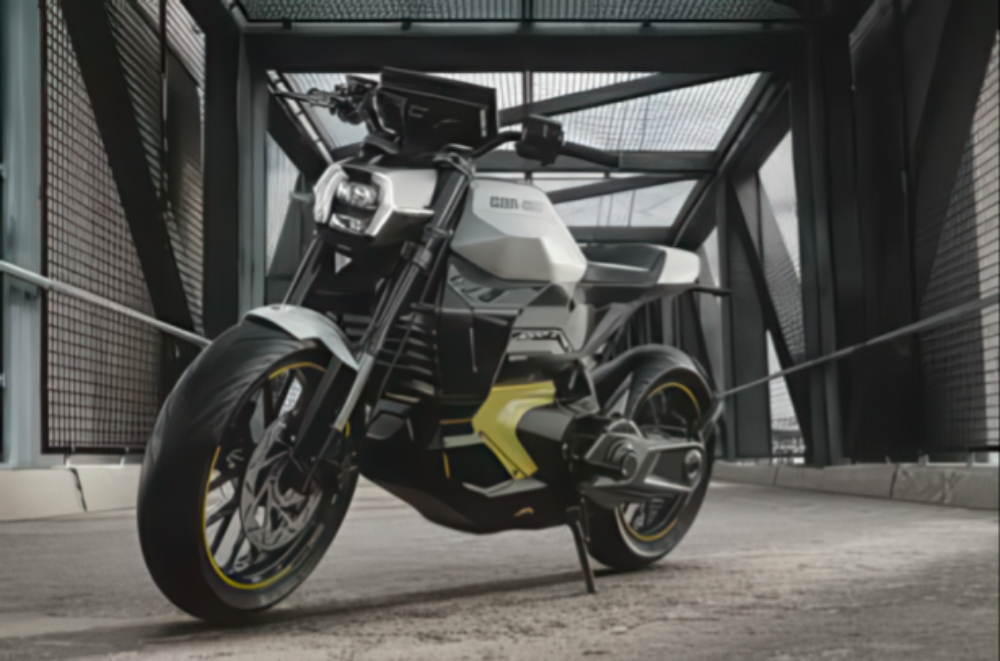
Meanwhile, more and more manufacturers are rolling out electrified models. This year, the Can-Am Pulse is set to appear, and Yamaha has officially introduced its E-FV model, while Honda has debuted its CR Electric Proto, and Harley-Davidson has continued to offer its LiveWire series first introduced in 2019, to name but a few. Global Market Insights (GMI) also reports that Hero MotoCorp and Scotts Valley, California-based Zero Motorcycles recently joined forces on a shared electric motorcycle venture.
In fact, GMI finds that the sport motorcycle segment now accounts for 45% of e-cycle market concentration, with the entire electric motorcycle market size reaching an $11.3-billion valuation in 2023. It further predicts that the market will see a 3.5% CAGR through 2032. However, like their automotive counterparts, there is considerable industry debate about the actual near-term consumer demand for EV motorcycles.
Despite slowing sales in the ATV and motorcycle categories, the powersports market as a whole remains a promising and growing space for the aftermarket. For retailers and other businesses seeking to gain or improve their foothold in the powersports world, Blomgren advises paying attention to “companies whose participation in this market is absolutely glaring.”
“It is critical that you have the proper knowledge to communicate with this segment,” he adds. “So make sure that your business is aligned with companies that offer real-world solutions for a highly specific market.”
 Saving North Wilkesboro Speedway